Buy 修斗.com ?
We are moving the project
修斗.com .
Are you interested in purchasing the domain
修斗.com ?
domain@kv-gmbh.de · 0541-91531010
Buy 修斗.com ?
What is the difference between tensile stress and tensile strength?
Tensile stress is the internal resisting force per unit area within a material when subjected to a stretching force, while tensile strength is the maximum stress a material can withstand before breaking. In other words, tensile stress is the force applied to a material, while tensile strength is the material's ability to resist that force before failure. Tensile stress is a measure of the force distributed over a specific area, whereas tensile strength is a measure of the material's ability to withstand that force without breaking. **
What is the tensile strength of steel?
The tensile strength of steel can vary depending on the grade and type of steel. However, on average, the tensile strength of steel ranges from 400 MPa to 2500 MPa. This high tensile strength is one of the reasons why steel is commonly used in construction and engineering applications where strength and durability are important. **


Similar search terms for Tensile
Top-Angebote
Products related to Tensile:
-
Uplift Essentials High Tensile Extended Training Lead Industrial Grade Nylon Tracking Rope For Dogs green 3m(10ft)Master longdistance recall and offleash obedience with our Professional HighTensile Extended Training Lead. Specifically engineered for openfield training and tactical tracking, this performance instrument is forged from industrialgrade, highdensity...44,97 $*Shipping: 0,00 $Secure redirect to the provider
-
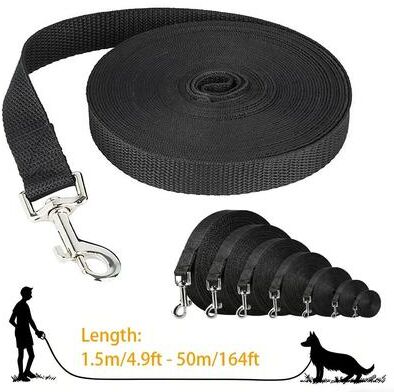
Uplift Essentials High Tensile Long Pet Leash Heavy Duty Nylon Training Lead For Dogs & Cats 10 FtAchieve the perfect balance of freedom and control with our Professional HighTensile Long Pet Leash. Engineered for versatility, this industrialgrade training lead is available in lengths ranging from a standard 5 ft (1.5 m) to an expansive 164 ft...39,97 $*Shipping: 0,00 $Secure redirect to the provider
-
Useful Little Things High Tensile Strength Bow Shaped Ultra Thin Dental Floss Picks For Interdental Oral Hygiene 100 PcsElevate your daily dental care routine with our high tensile strength bowshaped ultra thin dental floss picks for interdental oral hygiene. Designed with an ergonomic bowshaped arch and hightenacity micropolymer thread, these dental picks glide...39,97 $*Shipping: 0,00 $Secure redirect to the provider
-
Useful Little Things High Tensile Strength Bow Shaped Ultra Thin Dental Floss Picks For Interdental Oral Hygiene 200 PcsElevate your daily dental care routine with our high tensile strength bowshaped ultra thin dental floss picks for interdental oral hygiene. Designed with an ergonomic bowshaped arch and hightenacity micropolymer thread, these dental picks glide...59,97 $*Shipping: 0,00 $Secure redirect to the provider



-
What is the tensile strength and flexural strength of paper?
The tensile strength of paper refers to its ability to withstand a stretching force without tearing. It is typically measured in units of force per unit width of the paper, such as pounds per inch. The flexural strength of paper, on the other hand, refers to its ability to withstand bending or folding without breaking. It is also measured in units of force per unit width of the paper, such as pounds per inch. Both tensile and flexural strength are important properties of paper, especially in applications where the paper will be subjected to mechanical stress, such as in packaging or printing. **
-
What is the tensile strength of a shackle?
The tensile strength of a shackle can vary depending on its size, material, and design. However, in general, shackles are designed to have a high tensile strength to withstand heavy loads and forces. For example, a standard 3/4 inch shackle made of carbon steel may have a tensile strength of around 4.75 tons, while a larger 1 inch shackle made of alloy steel could have a tensile strength of 17 tons or more. It is important to always check the manufacturer's specifications for the exact tensile strength of a specific shackle. **
-
How is the conversion of hardness to tensile strength done?
The conversion of hardness to tensile strength is typically done using empirical relationships or conversion tables that have been established through experimentation and data analysis. These relationships are based on the understanding of the mechanical properties of materials and how they relate to each other. By measuring the hardness of a material using a standardized test method, such as Rockwell or Vickers hardness tests, and then applying the appropriate conversion factor, one can estimate the tensile strength of the material. It is important to note that these conversions are approximate and may vary depending on factors such as material composition, microstructure, and testing conditions. **
-
'Pressure or Tensile Force?'
Pressure is a force applied perpendicular to the surface of an object, causing compression or squeezing. Tensile force, on the other hand, is a force applied to stretch or pull an object. The main difference between the two is the direction of the force applied - pressure is applied perpendicular to the surface, while tensile force is applied parallel to the surface. Both forces can cause deformation in materials, but in different ways. **

What is the relationship between compressive strength and tensile strength in structural steel?
In structural steel, compressive strength is typically higher than tensile strength. This means that structural steel is better able to withstand forces that compress or squeeze it together, rather than forces that pull it apart. Engineers take into account both compressive and tensile strength when designing structures to ensure they can safely support the intended loads and forces. **
What is the difference between tensile strength and modulus of elasticity?
Tensile strength is the maximum amount of tensile stress that a material can withstand before breaking, while modulus of elasticity, also known as Young's modulus, is a measure of a material's stiffness or resistance to deformation when subjected to an external force. In simpler terms, tensile strength measures how much force a material can handle before breaking, while modulus of elasticity measures how much a material will deform under a given amount of force. In essence, tensile strength is a measure of a material's ability to withstand stretching or pulling forces, while modulus of elasticity is a measure of how much a material will stretch or deform under a given load. **
Top-Angebote
Products related to Tensile:
-
Uplifted Finds SUS Grade High Tensile Litter Sifting Module SUS Grade High Tensile Litter Sifting ModuleUpgrade your domestic sanitation logistics with the SUSGrade HighTensile Sifter, a professionalgrade maintenance tool engineered with heavygauge structural logic. This highutility module features a reinforced stainless steel architecture designed to...81,97 $*Shipping: 0,00 $Secure redirect to the provider
-
Useful Little Things High Tensile Strength Bow Shaped Ultra Thin Dental Floss Picks For Interdental Oral Hygiene 50 PcsElevate your daily dental care routine with our high tensile strength bowshaped ultra thin dental floss picks for interdental oral hygiene. Designed with an ergonomic bowshaped arch and hightenacity micropolymer thread, these dental picks glide...29,97 $*Shipping: 0,00 $Secure redirect to the provider
-
Uplift Essentials High Tensile Extended Training Lead Industrial Grade Nylon Tracking Rope For Dogs green 3m(10ft)Master longdistance recall and offleash obedience with our Professional HighTensile Extended Training Lead. Specifically engineered for openfield training and tactical tracking, this performance instrument is forged from industrialgrade, highdensity...44,97 $*Shipping: 0,00 $Secure redirect to the provider
-
Uplift Essentials High Tensile Long Pet Leash Heavy Duty Nylon Training Lead For Dogs & Cats 10 FtAchieve the perfect balance of freedom and control with our Professional HighTensile Long Pet Leash. Engineered for versatility, this industrialgrade training lead is available in lengths ranging from a standard 5 ft (1.5 m) to an expansive 164 ft...39,97 $*Shipping: 0,00 $Secure redirect to the provider
-
What is the difference between tensile stress and tensile strength?
Tensile stress is the internal resisting force per unit area within a material when subjected to a stretching force, while tensile strength is the maximum stress a material can withstand before breaking. In other words, tensile stress is the force applied to a material, while tensile strength is the material's ability to resist that force before failure. Tensile stress is a measure of the force distributed over a specific area, whereas tensile strength is a measure of the material's ability to withstand that force without breaking. **
-
What is the tensile strength of steel?
The tensile strength of steel can vary depending on the grade and type of steel. However, on average, the tensile strength of steel ranges from 400 MPa to 2500 MPa. This high tensile strength is one of the reasons why steel is commonly used in construction and engineering applications where strength and durability are important. **
-
What is the tensile strength and flexural strength of paper?
The tensile strength of paper refers to its ability to withstand a stretching force without tearing. It is typically measured in units of force per unit width of the paper, such as pounds per inch. The flexural strength of paper, on the other hand, refers to its ability to withstand bending or folding without breaking. It is also measured in units of force per unit width of the paper, such as pounds per inch. Both tensile and flexural strength are important properties of paper, especially in applications where the paper will be subjected to mechanical stress, such as in packaging or printing. **
-
What is the tensile strength of a shackle?
The tensile strength of a shackle can vary depending on its size, material, and design. However, in general, shackles are designed to have a high tensile strength to withstand heavy loads and forces. For example, a standard 3/4 inch shackle made of carbon steel may have a tensile strength of around 4.75 tons, while a larger 1 inch shackle made of alloy steel could have a tensile strength of 17 tons or more. It is important to always check the manufacturer's specifications for the exact tensile strength of a specific shackle. **
Similar search terms for Tensile
-
Useful Little Things High Tensile Strength Bow Shaped Ultra Thin Dental Floss Picks For Interdental Oral Hygiene 100 PcsElevate your daily dental care routine with our high tensile strength bowshaped ultra thin dental floss picks for interdental oral hygiene. Designed with an ergonomic bowshaped arch and hightenacity micropolymer thread, these dental picks glide...39,97 $*Shipping: 0,00 $Secure redirect to the provider
-
Useful Little Things High Tensile Strength Bow Shaped Ultra Thin Dental Floss Picks For Interdental Oral Hygiene 200 PcsElevate your daily dental care routine with our high tensile strength bowshaped ultra thin dental floss picks for interdental oral hygiene. Designed with an ergonomic bowshaped arch and hightenacity micropolymer thread, these dental picks glide...59,97 $*Shipping: 0,00 $Secure redirect to the provider
-
Useful Little Things High Tensile Strength Bow Shaped Ultra Thin Dental Floss Picks For Interdental Oral Hygiene 150 PcsElevate your daily dental care routine with our high tensile strength bowshaped ultra thin dental floss picks for interdental oral hygiene. Designed with an ergonomic bowshaped arch and hightenacity micropolymer thread, these dental picks glide...49,97 $*Shipping: 0,00 $Secure redirect to the provider
-
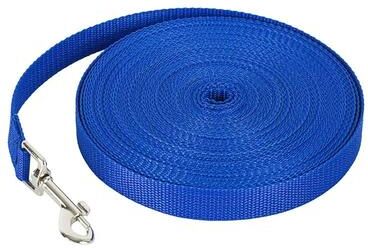
Uplift Essentials High Tensile Extended Training Lead Industrial Grade Nylon Tracking Rope For Dogs blue 1.2m(4ft)Master longdistance recall and offleash obedience with our Professional HighTensile Extended Training Lead. Specifically engineered for openfield training and tactical tracking, this performance instrument is forged from industrialgrade, highdensity...34,97 $*Shipping: 0,00 $Secure redirect to the provider
-
How is the conversion of hardness to tensile strength done?
The conversion of hardness to tensile strength is typically done using empirical relationships or conversion tables that have been established through experimentation and data analysis. These relationships are based on the understanding of the mechanical properties of materials and how they relate to each other. By measuring the hardness of a material using a standardized test method, such as Rockwell or Vickers hardness tests, and then applying the appropriate conversion factor, one can estimate the tensile strength of the material. It is important to note that these conversions are approximate and may vary depending on factors such as material composition, microstructure, and testing conditions. **
-
'Pressure or Tensile Force?'
Pressure is a force applied perpendicular to the surface of an object, causing compression or squeezing. Tensile force, on the other hand, is a force applied to stretch or pull an object. The main difference between the two is the direction of the force applied - pressure is applied perpendicular to the surface, while tensile force is applied parallel to the surface. Both forces can cause deformation in materials, but in different ways. **
-
What is the relationship between compressive strength and tensile strength in structural steel?
In structural steel, compressive strength is typically higher than tensile strength. This means that structural steel is better able to withstand forces that compress or squeeze it together, rather than forces that pull it apart. Engineers take into account both compressive and tensile strength when designing structures to ensure they can safely support the intended loads and forces. **
-
What is the difference between tensile strength and modulus of elasticity?
Tensile strength is the maximum amount of tensile stress that a material can withstand before breaking, while modulus of elasticity, also known as Young's modulus, is a measure of a material's stiffness or resistance to deformation when subjected to an external force. In simpler terms, tensile strength measures how much force a material can handle before breaking, while modulus of elasticity measures how much a material will deform under a given amount of force. In essence, tensile strength is a measure of a material's ability to withstand stretching or pulling forces, while modulus of elasticity is a measure of how much a material will stretch or deform under a given load. **
* All prices are inclusive of VAT and, if applicable, plus shipping costs. The offer information is based on the details provided by the respective shop and is updated through automated processes. Real-time updates do not occur, so deviations can occur in individual cases. ** Note: Parts of this content were created by AI.